


 Health
 Sport
Sport Bariatric
 Woman
Woman Children
 Senior
 Man
Man

BARIATRIC SURGERY
Our dietary supplement
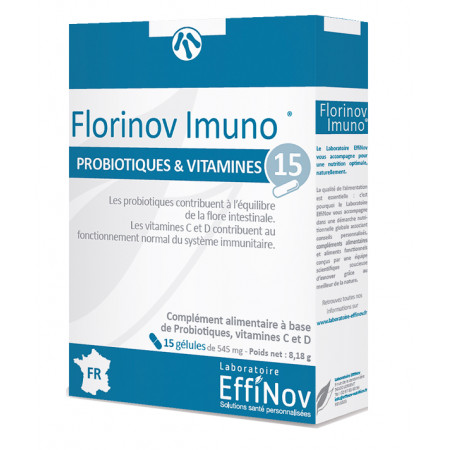
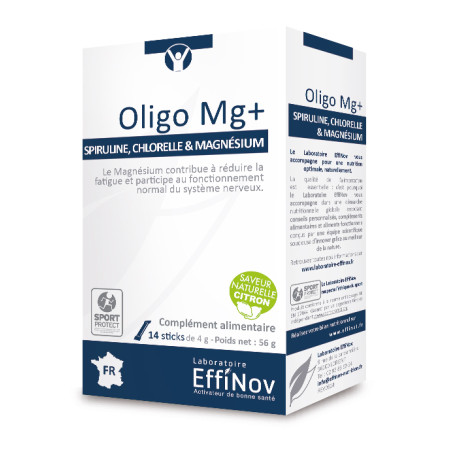
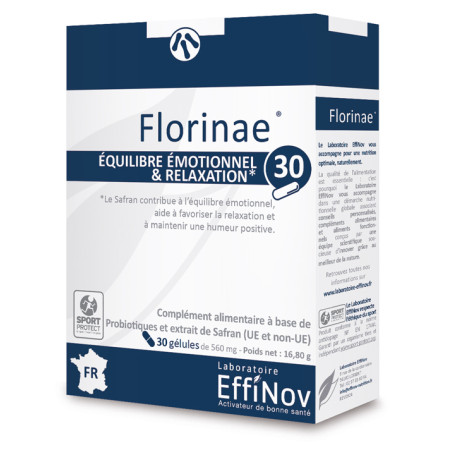
Bariatric surgery, or obesity surgery, aims to change the way food is absorbed by the digestive system (except in the case of gastric banding) to help you lose a significant amount of weight. There are different types of operations: gastric bypass, sleeve gastrectomy and gastric banding. Deficiencies are common and serious complications can arise if long-term supplementation is not provided. The High Authority of Health (HAS) recommends lifelong supplementation after bariatric surgery. We also offer a wide range of dietary supplements to support people who have undergone bariatric surgery, addressing common issues such as weakened immune systems, digestive disorders, gastric acidity, stress, fatigue and joint pain.


YOUR NEEDS


Frequently asked questions
Mechanisms and associated risks
Overweight and obesity are not limited to a matter of well-being: they initiate a metabolic vicious circle, with multiple and interconnected consequences:
- Chronic inflammation (related to excess adipose tissue).
- Insulin resistance and type 2 diabetes (glycemic dysregulation).
- Fatty liver disease and liver disorders (accumulation of fat in the liver).
- Nutritional malabsorption: These conditions disrupt the optimal absorption of vitamins and minerals, creating a cascading imbalance. A deficiency (e.g. vitamin D) often aggravates another (e.g. magnesium or iron), gradually weakening the body.
Preoperative issues
Rigorous nutritional preparation before surgery (bariatric or otherwise) is crucial to :
- Correct deficiencies (iron, B vitamins, zinc, proteins) identified by a preoperative blood test.
- Optimize tissue resilience: A balanced nutritional status reduces the risk of complications (infections, slow healing).
- Accelerate recovery: Sufficient nutrient stores promote a shorter and less painful recovery.
Conclusion: Acting upstream to maximize results
Correcting deficiencies before surgery is not an option, but a proactive strategy to:
- Minimize perioperative risks.
- Provide your body with the resources it needs to rebuild effectively.
- Lay the foundations for sustainable post-intervention health.
Hair Loss After Bariatric Surgery: Causes, Duration, and Solutions
A frequent but temporary side effect
Post-operative hair loss is a common phenomenon after bariatric surgery (sleeve, bypass, gastric band). Although often reversible, it can be a source of concern for patients.
Why does this hair loss occur ?
Metabolic priority: During the first few months, the body focuses on rapid weight loss, at the expense of other functions such as hair and nail growth.
Nutritional deficiencies, Body reconstruction requires key nutrients :
- Zinc (wound healing, protein synthesis)
- Iron (tissue oxygenation, hair growth)
- Proteins (keratin, hair structure)
A deficiency of these elements weakens the hair, leading to increased hair loss (telogen effluvium).
How can we prevent or limit hair loss ?
Targeted supplementation: Post-bariatric multivitamins (rich in zinc, iron, biotin, vitamin D, and B12) help to:
- Fill in the deficiencies related to malabsorption.
- Support hair health during the transition phase.
Adapted diet : Favor lean proteins, green vegetables and iron-rich foods to strengthen reserves.
Duration and evolution
- Critical phase: Hair loss usually occurs 3 to 6 months after the operation, with a peak around the 4th month.
- Remission: Hair gradually grows back as soon as nutritional balance is restored (often after 6 to 12 months).
Key message
This hair loss, although destabilizing, is temporary and manageable. Early supplementation and rigorous nutritional monitoring optimize regrowth and maintain long-term hair health.
Natural sources and absorption
Your body gets vitamins and minerals from a varied diet: fruits, vegetables, meats and dairy products. However, deficiencies are common, even in people who are not overweight.
Impact of obesity
Excess weight disrupts essential metabolic processes, including the absorption and optimal use of these nutrients.
The key role of blood tests
Your blood level is a direct reflection of your nutritional status. Precise analyses reveal possible deficiencies in vitamins and minerals, a decisive indicator for:
- Prepare your body for the procedure : The more optimal your reserves, the better your recovery will be.
- Reduce post-operative risks : A strong nutritional status limits deficiencies after surgery.
The Upstream Multivitamin Advantage
By starting appropriate supplementation before surgery, you:
- Improve your blood levels to approach surgery in the best conditions.
- Minimize the risk of post-operative deficiencies, thus promoting a smoother and more efficient recovery.
Why is this important ?
Careful nutritional preparation maximizes your chances of success and speeds up your recovery.
- Reduced intakes : Small portions = less vitamins/minerals ingested.
- Limited absorption : Your body is less able to absorb essential nutrients.
- Risk : Deficiencies → fatigue, metabolic disorders, complications.
- Solution : A daily and adapted multivitamin supplement fills these gaps, preserving strength and health in the long term.
Standard multivitamins are designed for normal metabolism and absorption — not for your new digestive system.
Our solution :
> Scientific formula adapted to your surgery.
> Optimized dosages for nutrients that are less well absorbed after surgery.
> Result : A tailor-made formula, for maximum effectiveness on a daily basis.
Multivitamin protocol before/after bariatric surgery :
Before the operation :
> Ideal : Start 90 to 45 days before.
> Emergency (<45 days) : Take a suitable capsule 2 weeks before.
Why? : Prepare your body for better post-operative tolerance.
After the operation :
0–14 days : No multivitamins (recovery, difficult swallowing).
From 15 days : Resume a daily multivitamin (1 capsule/day).
After bariatric surgery :
Reduced absorption of vitamins/minerals → permanent.
Solution : Lifetime Daily Multivitamin for :
> Avoid deficiencies.
> Supplement the diet.
> Maintain energy, balance and health.
Even after several years, an operation may result in specific nutritional needs, especially if it has affected your digestive system (e.g., bariatric surgery).
Multivitamins help to :
> Prevent deficiencies (iron, vitamin B12, D, etc.) related to persistent malabsorption.
> Support long-term recovery (healing, energy, immunity).
> Compensate for a restricted diet (if certain foods are difficult to digest).
To check :
> Consult your doctor or a nutritionist to adjust the doses to your current needs.
> Regular blood work to adjust supplements.
Example : After bariatric surgery, vitamin deficiencies are common even years later.
When to take your supplements ?
Avoid taking it on an empty stomach: Always take your capsule or chewable tablet:
- During or just after lunch/dinner.
- Before bedtime (if necessary).
→ Objective : Significantly reduce the risk of nausea, which is common with high-dose multivitamins.
How to swallow the capsule easily
- Use a sugar-free liquid (water, unsweetened infusion) to facilitate swallowing.
- Optimal position : When swallowing, lean your chin toward your chest (not back). This posture widens the pharyngeal space and reduces the risk of choking.
If the capsule is too large:
- Open it and take the powder inside.
- Mix the contents with :
A sugar-free applesauce
An unsweetened liquid food (plain yogurt, fruit puree).
→ Why sugar-free? After bariatric surgery, sugar tolerance is often reduced (risk of dumping syndrome or digestive discomfort).
Interactions to avoid for optimal absorption
Avoid associations with :
- Dairy products (milk, cheese, yoghurt).
- Calcium supplements.
→ Why ? Calcium interferes with the absorption of essential minerals (iron, zinc, magnesium) found in your multivitamin.
Recommended time : Space the intake of at least 2 hours between your multivitamin and any calcium intake.
Tip to make sure you don't forget your supplements : set a daily alarm on your phone or use a medication reminder app.
> Natural formulas (carefully selected ingredients, no artificial colors or preservatives)
> Recognized French expertise (Laboratory present in pharmacy and committed to quality and innovation, with products developed by experts)
> Proven effectiveness (synergy of scientifically recognized active ingredients to fill deficiencies and optimize health)
> Safety and transparency (made in France, with strict controls and optimized dosages)
> Synergy of active ingredients (combinations of ingredients for overall optimization of the state of health)